
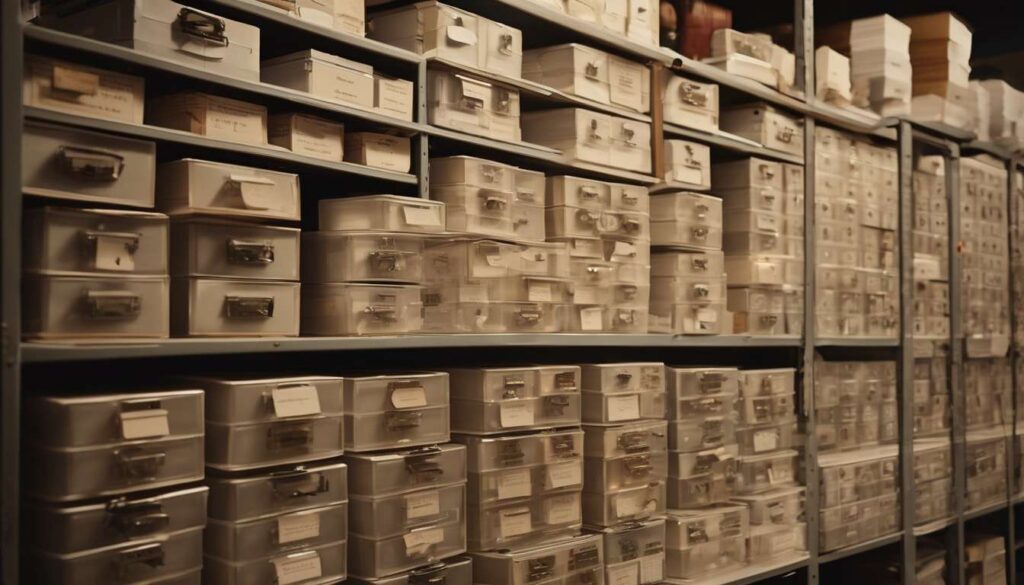
Once we stumbled upon an old forum thread where amateur archivists debated whether a pixelated GIF from the 1990s merited preservation, and that small quarrel changed how we think about memory.
As we dug deeper, we discovered dusty site maps, fragmented FTP folders, and scanned zines that together traced an industry’s parallel history — one built on technology, commerce, and the politics of desire.
We learned that preservation isn’t neutral: choices about what to keep reflect social values, legal pressures, and labor histories often erased from mainstream records.
In assembling digital archives, we confront questions of consent, authorship, and access while recovering the voices of performers, technicians, and activists who shaped the field.
Our work shows that these collections do more than catalog images; they document:
- shifts in web design and technological innovation,
- changes in distribution and business models,
- communities that organized for rights and recognition.
By treating the adult industry as an important thread in media history, we reclaim complexity and insist on fuller, more honest archives.
Early Web Artifacts
We preserve early web artifacts—like HTML pages, GIFs, and directory listings—to trace how the adult industry adapted to the internet’s first tools and constraints.
We treat these fragile files as communal memory and practice digital preservation so future members of our community can understand origins and choices.
When assembling performer archives, we prioritize context:
- Capture dates.
- Site structures.
- Social practices revealed, not just images.
This contextual approach helps resist erasure when platforms or laws change.
We document instances where legal censorship reshaped content, noting:
- Takedown notices.
- Geo-blocking.
- Policy shifts that forced creators to innovate.
By keeping faithful records, we create a shared repository that supports researchers, performers, and advocates seeking accountability and belonging.
We invite contributors to donate site snapshots and metadata, and we govern collections transparently so everyone involved feels respected and protected.
These practices keep our history accessible and empower community stewardship over a narrative often threatened by omission.
Zines and Print Ephemera
We collect zines, flyers, and other print ephemera to record the grassroots conversations, DIY aesthetics, and political arguments that shaped the adult industry outside mainstream channels.
We treat these fragile items as community testimony. Homemade publications, event handbills, and protest leaflets show how people organized, resisted legal censorship, and imagined different futures.
We prioritize digital preservation so these tactile histories are accessible to everyone who seeks connection and context. By digitizing print runs and annotating provenance, we create bridges between ephemeral scenes and stable archives that welcome contributors and researchers alike.
We coordinate with performer archives and community custodians to ensure consent, contextual notes, and respectful handling, avoiding extraction or erasure.
Our cataloging practices make it easy for members to find materials, trace networks, and learn organizing strategies.
We center shared stewardship and invite active participation:
- Submissions of materials from community members
- Oral histories and firsthand accounts
- Corrections, annotations, and provenance information
Keeping these grassroots voices visible strengthens belonging and keeps the record honest against erasure by stigma or legal censorship.
Performer Narratives
We collect and amplify performer narratives to ensure firsthand voices shape how the adult industry’s history is understood.
We center stories from diverse performers in our performer archives, honoring their memories, challenges, and triumphs so community members feel seen and supported.
We actively digitize oral histories, photos, contracts, and correspondence to strengthen digital preservation and to make materials accessible to researchers and peers who want connection and context.
We acknowledge threats and advocate for protections.
- Legal censorship can erase testimony or chill storytelling, so we advocate for policies that protect creators’ rights to document their lives.
- We work with performers to control access levels, respecting privacy while preserving authenticity.
We equip contributors with skills and tools to preserve narratives responsibly.
- Train contributors in best practices for metadata.
- Provide guidance on consent documentation.
- Support secure storage methods so accounts remain intact and findable over time.
By treating narratives as primary sources and by building responsive, community-led performer archives, we keep these lived experiences central to the record and welcome everyone who wants to learn, remember, and belong.
Technological Evolution
We track how shifting technologies — from VHS and early web platforms to streaming, social media, and blockchain tools — have reshaped how adult work is produced, distributed, documented, and preserved.
We’ve seen formats collapse gatekeepers and let creators control narratives, and we know that these changes affect how communities remember themselves.
Together we build and use digital preservation methods so memories, metadata, and materials survive platform turnover.
We organize performer archives collaboratively, prioritizing dignity and consent, and we make space for practitioners to contribute their records.
We’re careful about access, balancing openness with safety; we won’t replicate harms that erase or exploit contributors.
While technical systems evolve, we design workflows that resist arbitrary removal and maintain context for future scholars and peers.
We stay alert to pressures like legal censorship that can unexpectedly purge histories, and we share strategies to keep our collective heritage intact and accessible for those who belong to and study this community.
- Backup: multiple copies across diverse storage locations.
- Decentralization: reduce single points of failure and control.
- Clear provenance: document origins, consent status, and ownership.
These practices aim to preserve materials and their context while protecting the people whose lives and labor they document.
Legal and Regulatory Forces
We navigate complex and shifting laws, regulations, and enforcement practices that directly shape what we can collect, how we store it, and who can access it.
As a community, we balance commitments to digital preservation with legal obligations, crafting policies that protect sensitive metadata and respect consent.
Performer archives require special attention.
- Age verification records, contract terms, and requests for removal must be handled securely and transparently.
- Access controls and redaction standards should minimize harm while preserving research value.
Legal censorship pressures—takedown notices, platform restrictions, and export controls—require careful documentation.
- Document provenance and decision rationales so future researchers understand gaps.
- Record the legal basis and process for any removal or restriction action.
We collaborate with legal advocates, technologists, and practitioners to create practical policies.
- Draft retention schedules, access controls, and redaction standards that align with privacy law while preserving historical value.
- Share templates, training, and mutual support to build resilient, compliant systems.
Centering performers’ rights and community trust is essential.
- Accept constraints but resist erasure by documenting the constraints themselves.
- Ensure the archive reflects both the industry’s content and the regulatory forces that shaped it.
Labor and Production Practices
We document how production workflows, labor conditions, and economic relationships have shaped the creation, distribution, and archival traces of adult content.
We map how independent creators, studios, and intermediaries negotiated contracts, schedules, and revenue splits, and we trace how those arrangements affect what gets preserved and why.
We center performer archives as essential records of labor.
- Examples of performer archives include:
- resumes
- shoot logs
- consent forms
- materials that show agency and vulnerability
We note how informal economies and gig-style production produced fragmented metadata, complicating digital preservation efforts while also motivating community-led solutions.
We recognize the impact of legal censorship on what’s recorded and retained.
- Forms of legal censorship:
- takedowns
- DMCA notices
- platform restrictions
- Effects:
- erasure of context
- marginalization of workers
By collecting production notes, correspondence, and payment records, we reconstruct workflows and power dynamics.
We want contributors to feel included in this work, and we prioritize practices that respect consent, protect privacy, and ensure that labor histories survive for collective memory and accountability.
Community Organizing
We build networks and share tools that let makers, archivists, and advocates collectively preserve histories, protect privacy, and push back against erasure.
We create welcoming spaces where people feel seen and safe to contribute their memories, media, and expertise to community-run digital preservation projects.
We coordinate workshops to teach metadata standards, secure storage practices, and techniques for building resilient performer archives that honor creators’ agency.
We mobilize around threats like legal censorship, pooling legal resources and public-facing campaigns to defend access and contextualize content.
We mentor newcomers, match technical volunteers with lived-experience holders, and document workflows so knowledge stays communal, not siloed.
We prioritize consent, mutual aid, and shared governance so contributors trust that their stories will be handled respectfully.
By organizing collectively, we transform isolated efforts into durable institutions that safeguard diverse voices and ensure the community controls how its history is preserved and used.
Ethical Preservation Challenges
We confront hard ethical choices when preserving adult industry materials, balancing creators’ consent, privacy, and contextual integrity against public access and historical preservation.
We recognize that digital preservation must respect performers’ rights and the communities these materials document.
We center consent, seeking explicit permission for performer archives whenever possible, and we establish transparent metadata practices that honor pseudonyms and withdrawal requests.
We also face institutional pressures: funders, platforms, and laws can push us toward broad access or restrictive takedowns.
We resist overreach while complying with legitimate protections; that requires careful policy work, appeal mechanisms, and legal literacy to mitigate legal censorship without erasing histories.
We create tiered access models that keep materials available to researchers while protecting privacy:
- Open summaries — high-level descriptions enabling public awareness without exposing sensitive content.
- Restricted collections — materials accessible only under specific conditions or agreements.
- Controlled researcher access — vetted access for legitimate scholarly or historical inquiry.
We belong to a network of archivists, creators, and advocates, and together we craft ethical standards that are practical, inclusive, and accountable.
These standards ensure archives serve both history and humanity by protecting individuals while preserving cultural memory.
How do digital archives ensure the privacy and safety of non-consenting individuals who appear in materials (e.g., leaked or intimate images) that are historically significant?
We recognize the question about protecting non-consenting people in historically significant materials.
We will prioritize consent.
- Obtain consent where possible before making materials public.
- Center survivors’ requests and community oversight to ensure dignity, safety, and restorative processes.
We will remove or redact identifiable data.
- Apply careful redaction methods to names, faces, and other identifiers.
- Use metadata limits to prevent inadvertent disclosure.
We will restrict access to vetted researchers.
- Implement access controls that require vetting and documented research purpose.
- Use contextual warnings for users about sensitive content and limits on use.
We will implement takedown procedures and legal review.
- Establish clear takedown request workflows.
- Perform legal review for compliance with laws and obligations.
We will conduct privacy impact assessments.
- Assess risks before release and document mitigations.
- Maintain secure storage with encryption and audit trails.
We will center survivors and community oversight.
- Ensure decisions respect dignity, safety, and restorative goals.
- Provide channels for ongoing feedback and revision.
Are there standardized metadata schemas or cataloging practices specific to adult industry materials to improve discoverability while balancing sensitivity?
Question: Are there standardized metadata schemas or cataloging practices for adult‑industry materials that both boost discoverability and protect sensitivity?
Short answer: No widely adopted, dedicated standard exists. However, you can adapt existing, privacy‑aware metadata schemas and layer on specific controls and vocabularies to meet discoverability and protection goals.
Suggested approach (high level):
-
Adapt established schemas
- Use Dublin Core extensions for basic descriptive metadata.
- Use PREMIS (Preservation Metadata: Implementation Strategies) or rights metadata to record ownership, license, and permitted uses.
- Use METS (Metadata Encoding and Transmission Standard) or similar packaging standards to bind descriptive, administrative, and technical metadata together.
-
Add sensitivity and access controls
- Define consent flags that indicate presence/absence of documented consent, scope of consent, and any restrictions on sharing or reuse.
- Include access restriction fields (e.g., open, authenticated users, restricted, embargoed) and machine‑readable access policy URIs.
- Record privacy classification or sensitivity level to guide search, display, and indexing behavior.
-
Create controlled vocabularies and taxonomies
- Build controlled vocabularies for descriptive facets while avoiding stigmatizing or invasive terms.
- Use hierarchical and faceted vocabularies to support both broad discovery and precise filtering.
- Include consensual language tags to indicate verified/claimed statuses.
-
Capture provenance and accountability
- Record provenance fields for source, upload timestamp, uploader identity (as permitted), and chain of custody.
- Log moderation, verification actions, and appeals to support transparency and audits.
-
Privacy, legal, and ethical safeguards
- Work with legal counsel to align metadata practices with data protection, age verification, and content‑specific legal requirements.
- Minimize unnecessary personal data in metadata; prefer pointers to consent records stored securely rather than storing raw sensitive details.
- Provide retention and deletion metadata to support takedown and right‑to‑be‑forgotten processes.
-
Community and stakeholder collaboration
- Co‑design vocabularies, consent signals, and access policies with creators, performers, platforms, technologists, and advocates to ensure empathy and practicality.
- Pilot standards with community input, iterate based on feedback, and publish clear governance and maintenance practices.
-
Technical implementation notes
- Expose privacy and access metadata in machine‑readable formats (JSON‑LD, RDF) while ensuring sensitive fields are not inadvertently exposed to public indexes.
- Use persistent identifiers (PIDs) for works and for associated consent/rights records.
- Support metadata provenance and change logs for auditability.
Key caveats and best practices:
- Avoid embedding sensitive PII directly in public metadata. Use references to secured records when needed.
- Design metadata for selective disclosure so discovery and filtering can function without exposing private attributes.
- Treat consent as a first‑class metadata element—it determines discoverability, sharing, and retention.
- Document governance, review, and dispute processes to maintain accountability and community trust.
If helpful, I can draft a sample metadata profile (fields, types, controlled vocabularies, and access flags) in Dublin Core+PREMIS+METS style, or create JSON‑LD examples showing how to represent consent and access restrictions. Which would you prefer?
What funding models and institutional partnerships have proven sustainable for long-term preservation and access of adult industry collections?
Question: Which funding models and partnerships sustain long-term preservation and access for adult industry collections?
Answer: We find that a mixed funding model yields the most durable results.
Key funding components
- Public grants — provide baseline support and credibility.
- Private philanthropy — funds special projects, outreach, and capacity-building.
- Subscription services — generate ongoing operational revenue while controlling access.
- Fee-for-service digitization — covers immediate digitization costs and engages stakeholders who need materials digitized.
Strategic partnerships
- Universities — offer preservation expertise, infrastructure, and research legitimacy.
- Cultural institutions — contribute cataloging, conservation, and public-facing platforms.
- LGBTQ+ and sex-positive organizations — provide community connections, subject-matter expertise, and advocacy.
- Community archives — share localized knowledge, materials, and stewardship practices.
Governance and sustainability principles
- Transparent policies — clear access, privacy, and stewardship rules build trust.
- Diversified income streams — reduce dependence on any single funder and increase resilience.
- Collaborative governance — shared decision-making with community stakeholders preserves legitimacy and responsiveness.
Bottom line: Combining multiple funding streams with partnerships across universities, cultural bodies, community organizations, and advocacy groups — under transparent policies and collaborative governance — creates the most robust framework for long-term preservation and accessible stewardship of adult industry collections.
Conclusion
You’ve seen how digital archives preserve early web artifacts, zines, performer narratives, and the tech that reshaped production.
They reveal legal pressures, labor realities, and organizing efforts that built community resilience.
But preserving this history also forces you to face ethical dilemmas—consent, privacy, and representation—so you’ll need thoughtful practices balancing access with care.
Ultimately, these archives let you learn from the industry’s past to inform fairer, safer futures.